3D Delivery Truck: A Strategic Tool for Creative and Business Applications
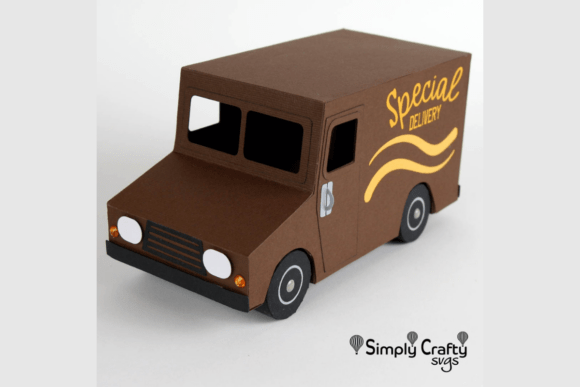
The 3D Delivery Truck is more than just a craft project—it's a versatile tool that can enhance creativity, improve communication, and support strategic goals in both personal and professional settings. Designed to resemble real-world delivery vehicles like UPS or FedEx, this 3D model offers a unique way to engage with design, branding, and product development. Whether you're an entrepreneur, marketer, educator, or hobbyist, the 3D Delivery Truck provides a practical framework for exploring new ideas and executing them effectively.
Understanding the Strategic Value of 3D Delivery Truck
At its core, the 3D Delivery Truck is a design concept that combines functionality with visual appeal. It allows users to create a tangible object that can be customized, modified, and used in various contexts. This makes it particularly useful for individuals and businesses looking to innovate, experiment, or present ideas in a more engaging way.
For example, small business owners can use the 3D Delivery Truck as a promotional tool. By incorporating logos, slogans, or brand colors into the design, they can create a memorable and interactive way to connect with customers. Similarly, educators can use it to teach students about design principles, spatial reasoning, and creative problem-solving.
The strategic value of the 3D Delivery Truck lies in its adaptability. It can be used for packaging, marketing materials, educational projects, or even as a prototype for real-world applications. This flexibility makes it a valuable asset for anyone looking to integrate design thinking into their workflow.
How to Use 3D Delivery Truck Intentionally
To get the most out of the 3D Delivery Truck, it's important to approach it with clear goals in mind. Rather than using it as a random activity, consider how it aligns with your broader objectives. For instance, if you're planning a product launch, the 3D Delivery Truck could serve as a physical representation of your brand’s identity or a way to showcase your offerings in a unique format.
One effective way to use the 3D Delivery Truck is through customization. The design includes solid panels that allow for the addition of logos, text, or other graphics. This feature makes it ideal for branding efforts, where consistency and visual recognition are key. By tailoring the truck to your specific needs, you can create a more personalized and impactful experience for your audience.
Another consideration is the use of bonus SVG files such as “Happy Father’s Day” or “Special Delivery.” These elements can be incorporated into the design to add a personal touch or to support specific campaigns. Whether you're creating a gift box for a customer or designing a promotional item, these additions can help reinforce your message and increase engagement.
Practical Applications and Real-World Examples
The 3D Delivery Truck has a wide range of practical applications across different industries. In the retail sector, it can be used to create custom gift boxes that stand out on store shelves or in online marketplaces. For example, a small business selling handmade products might use the 3D Delivery Truck to package items in a way that reflects their brand’s personality and values.
In education, the 3D Delivery Truck can be used to teach students about design, engineering, and entrepreneurship. By working on a hands-on project like this, students can develop skills in planning, execution, and problem-solving. Teachers can also use it as a way to introduce concepts related to marketing, branding, and customer experience.
For event planners or marketers, the 3D Delivery Truck can serve as a creative prop or a promotional item. Imagine using it at a trade show or product launch to capture attention and generate interest. The ability to open the back doors and insert small gifts or gift cards adds an interactive element that can make the experience more memorable for attendees.
Planning and Execution Tips for 3D Delivery Truck Projects
Before diving into a 3D Delivery Truck project, it's essential to plan carefully. Start by defining your objective—whether it's for branding, education, or a personal project. This will help guide your decisions throughout the process and ensure that the final result meets your expectations.
Next, gather the necessary materials. The design requires cardstock paper, glue, foam tape, and other supplies. Using high-quality materials can make a significant difference in the final outcome, so it's worth investing in the right tools. For example, textured cardstock can add depth and visual interest to the truck, while metallic paper can highlight certain details like handles or hubcaps.
Assembly is another critical step. While the design is meant to be user-friendly, following the provided video tutorial closely can help avoid common mistakes. Taking the time to understand each step ensures that the final product is both functional and aesthetically pleasing.
Considering Risks and Limitations
While the 3D Delivery Truck offers many benefits, it's important to recognize its limitations. Without a clear purpose, it can become a time-consuming activity that doesn't deliver meaningful results. This is especially true if the project is approached without proper planning or if the final product isn't aligned with your goals.
Additionally, the success of the 3D Delivery Truck depends on the quality of the design and the materials used. If the SVG file is not properly formatted or if the paper is too thin, the final product may not look as intended. This highlights the importance of selecting the right resources and being mindful of the production process.
Another potential risk is over-reliance on the 3D Delivery Truck as a solution for all creative or business needs. While it's a powerful tool, it's not a substitute for thoughtful strategy, research, or collaboration. It should be used as part of a broader approach rather than as a standalone solution.
Long-Term Value and Future Opportunities
When used intentionally, the 3D Delivery Truck can provide long-term value by fostering creativity, improving communication, and supporting strategic goals. Its versatility means that it can be adapted to new challenges and opportunities as they arise. For example, as businesses continue to explore innovative ways to engage with customers, the 3D Delivery Truck could serve as a foundation for future projects or campaigns.
Moreover, the design encourages continuous learning and experimentation. By experimenting with different materials, colors, and layouts, users can refine their skills and develop a deeper understanding of design principles. This iterative process can lead to better outcomes and more confident decision-making in future projects.
Ultimately, the 3D Delivery Truck is more than just a fun craft project—it's a strategic resource that can help individuals and businesses achieve their goals. By approaching it with clarity, intention, and a focus on practical application, users can unlock its full potential and create something truly valuable.